
For many NDIS participants in Perth, accessing the right mental health supports can be difficult. Services differ across suburbs, regional areas often face shortages, and long waitlists can make it hard to get consistent help. Psychosocial recovery coaching is designed to address these challenges by providing structured guidance, practical support, and a recovery-focused approach for people with mental health needs.
Psychosocial recovery coaching is an NDIS-funded service that helps participants build daily living skills, strengthen resilience, and stay connected to essential mental health and community supports. Recovery coaches work closely with participants, families, carers, and clinicians to create a clear recovery plan, monitor progress, and provide regular coaching tailored to individual needs. The goal is to help participants gain confidence, improve stability, and move toward greater independence.
This guide is intended for NDIS participants, families, and carers who want a clear understanding of how psychosocial recovery coaching works—especially within the context of Western Australia’s unique mental health support landscape. Whether you live in central Perth, outer metro suburbs, or regional WA, this reference guide will help you understand what recovery coaching offers and how it can support long-term wellbeing.
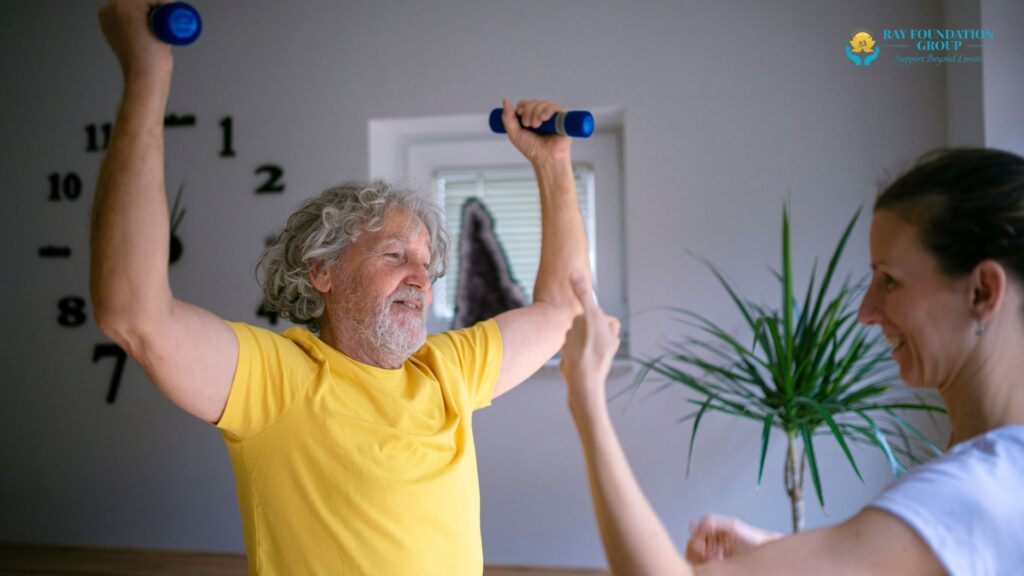
What Is Psychosocial Recovery Coaching?
Psychosocial recovery coaching is an NDIS-funded support designed specifically for people with psychosocial disability or fluctuating mental health needs. The role focuses on helping participants build capacity, develop practical life skills, and stay engaged with the services that support their recovery.
A psychosocial recovery coach works with participants to:
- Understand their NDIS plan and how to use it effectively
- Create a personalised recovery plan with clear goals
- Build confidence, resilience, and self-management skills
- Navigate mental health, community, and clinical services
Maintain stability during periods of change or increased symptoms - Strengthen daily routines, coping strategies, and decision-making
Unlike Support Coordination, which focuses on organising and connecting services, recovery coaching provides more ongoing, hands-on support. It follows a recovery-oriented model, meaning the coach works alongside the participant to identify their strengths, support their goals, and encourage meaningful participation in everyday life.
Recovery coaching can be especially valuable for people who:
- Have complex or fluctuating mental health needs
- Need motivational support to manage day-to-day activities
- Struggle with consistency or routine
- Require help coordinating multiple services
- Benefit from regular check-ins and coaching conversations
In simple terms, psychosocial recovery coaching provides the structure, guidance, and encouragement participants need to manage their mental health more confidently while building long-term independence.
Who Is Psychosocial Recovery Coaching For?
Psychosocial recovery coaching is designed for NDIS participants who have psychosocial disability or mental health needs that affect their daily life. It is particularly useful for people who need ongoing guidance, support, and skill-building to achieve their personal goals.
This support is ideal for participants who:
- Experience complex or fluctuating mental health needs that impact their ability to maintain routines, attend appointments, or access services.
- Require assistance in building life skills such as managing finances, daily routines, or social participation.
- Benefit from regular coaching and encouragement to stay engaged with their goals and recovery plan.
- Have limited natural supports, such as family or friends, or need additional guidance to navigate the NDIS system.
- Are transitioning between services, moving towards greater independence, or facing changes in housing, employment, or health supports.
Psychosocial recovery coaching is also valuable for families and carers, as coaches can provide guidance, clarify participant goals, and support better communication between participants and their support networks. By addressing both practical and emotional needs, recovery coaching ensures participants are empowered to take control of their recovery journey.
In Western Australia, access to mental health supports can vary. Metro areas like Perth may have a range of providers but often experience waitlists, while regional areas may face limited service availability. Recovery coaches provide local knowledge and navigation support, helping participants access the services they need efficiently, regardless of location.
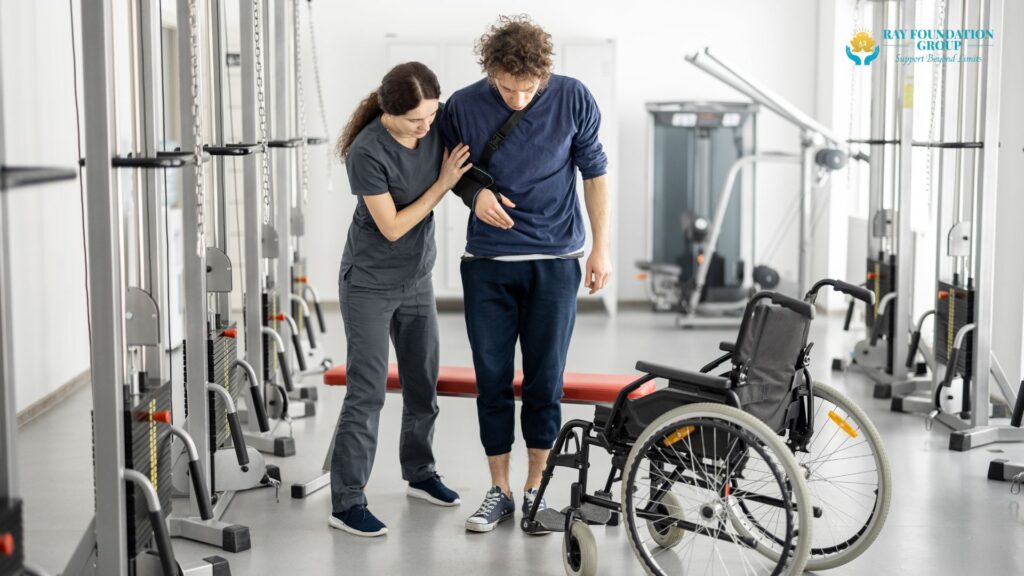
Key Responsibilities of a Psychosocial Recovery Coach
A psychosocial recovery coach plays a vital role in helping NDIS participants with mental health needs achieve their goals and build independence. Their responsibilities extend beyond simple coordination, focusing on practical, recovery-oriented support.
Key responsibilities include:
1. Developing a Personal Recovery Plan
- Collaborate with the participant to identify strengths, goals, and priorities.
- Set achievable milestones and strategies for daily living, social participation, and wellbeing.
- Ensure the plan aligns with the participant’s NDIS funding and objectives.
2. Building Skills and Capacity
- Teach practical life skills such as time management, budgeting, self-care, and decision-making.
- Support participants in developing coping strategies for managing mental health challenges.
- Encourage independence while providing guidance when needed.
3. Connecting Participants to Services
- Link participants with appropriate local mental health, clinical, and community supports in Perth and WA.
- Navigate regional or remote service gaps using telehealth, community programs, or flexible support options.
- Facilitate access to allied health professionals, support workers, social groups, and educational or employment programs.
4. Monitoring Progress and Providing Feedback
- Regularly check in to track progress against goals.
- Adjust recovery plans based on participant needs and circumstances.
- Celebrate achievements and address setbacks proactively.
5. Crisis Planning and Risk Management
- Identify potential risks to participant safety or wellbeing.
- Develop strategies to prevent or manage crises.
- Work closely with family, carers, and clinicians to ensure continuity of care.
6. Advocacy and Support
- Represent the participant’s interests when engaging with service providers.
- Support informed decision-making and empower participants to have a voice in their recovery journey.
Psychosocial recovery coaches provide consistent, hands-on support, helping participants manage their mental health needs, navigate services, and build confidence to live more independently.
Recovery Coaching vs Support Coordination – What’s the Difference?
Many participants and families confuse psychosocial recovery coaching with support coordination, but the two services serve different purposes under the NDIS. Understanding the distinction can help participants access the right type of support for their mental health needs.
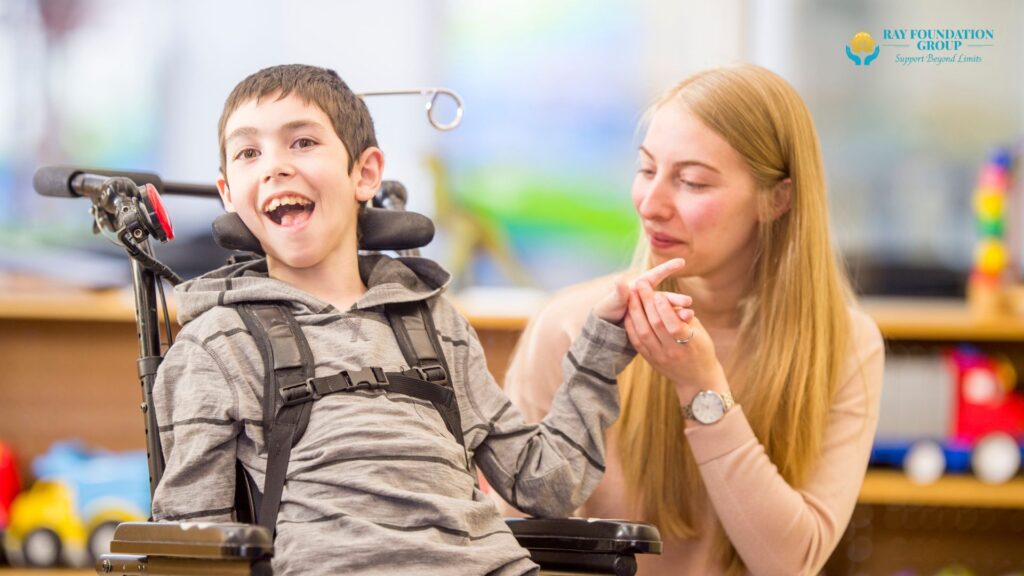
Psychosocial Recovery Coaching
- Focuses on recovery-oriented support for participants with psychosocial disability.
- Provides ongoing coaching, skill-building, and guidance to help participants manage their daily lives and work towards personal goals.
- Helps participants develop resilience, routines, and self-management skills, rather than simply connecting to services.
- Often involves frequent check-ins, practical advice, and tailored strategies for mental health challenges.
Support Coordination
- Primarily focuses on connecting participants to services and ensuring their NDIS plan is implemented effectively.
- Involves organising providers, resolving service issues, and coordinating supports, rather than direct skill-building.
- Works with participants to navigate the NDIS system but does not provide ongoing coaching or mental health-focused guidance.
When Both May Be Needed
Some participants benefit from both services. For example:
- Recovery coaching helps build daily living skills and mental health resilience.
- Support coordination ensures the participant accesses the right providers, appointments, and funded supports.
Having a local provider who understands the mental health landscape, regional service gaps, and community supports ensures participants receive both practical and recovery-focused support effectively.
Take the Next Step with Ray Foundation Group
If you or a loved one is navigating the NDIS with psychosocial disability or mental health needs, Ray Foundation Group is your trusted partner in Perth. As a registered NDIS service provider, we deliver personalised psychosocial recovery coaching to help participants build skills, strengthen resilience, and achieve their goals.
Our team works alongside you, your family, and your support network to provide ongoing guidance, local knowledge, and recovery-focused support tailored to your needs.
Contact Ray Foundation Group today to learn how we can help you or your loved one live more independently, confidently, and successfully.